Holiday visits may reveal changes in aging family members
Many of us will visit aging family members during the holiday season.
We will notice changes and perhaps challenges.
Will we know what to ask or suggest?
Will we know what they want or have planned?
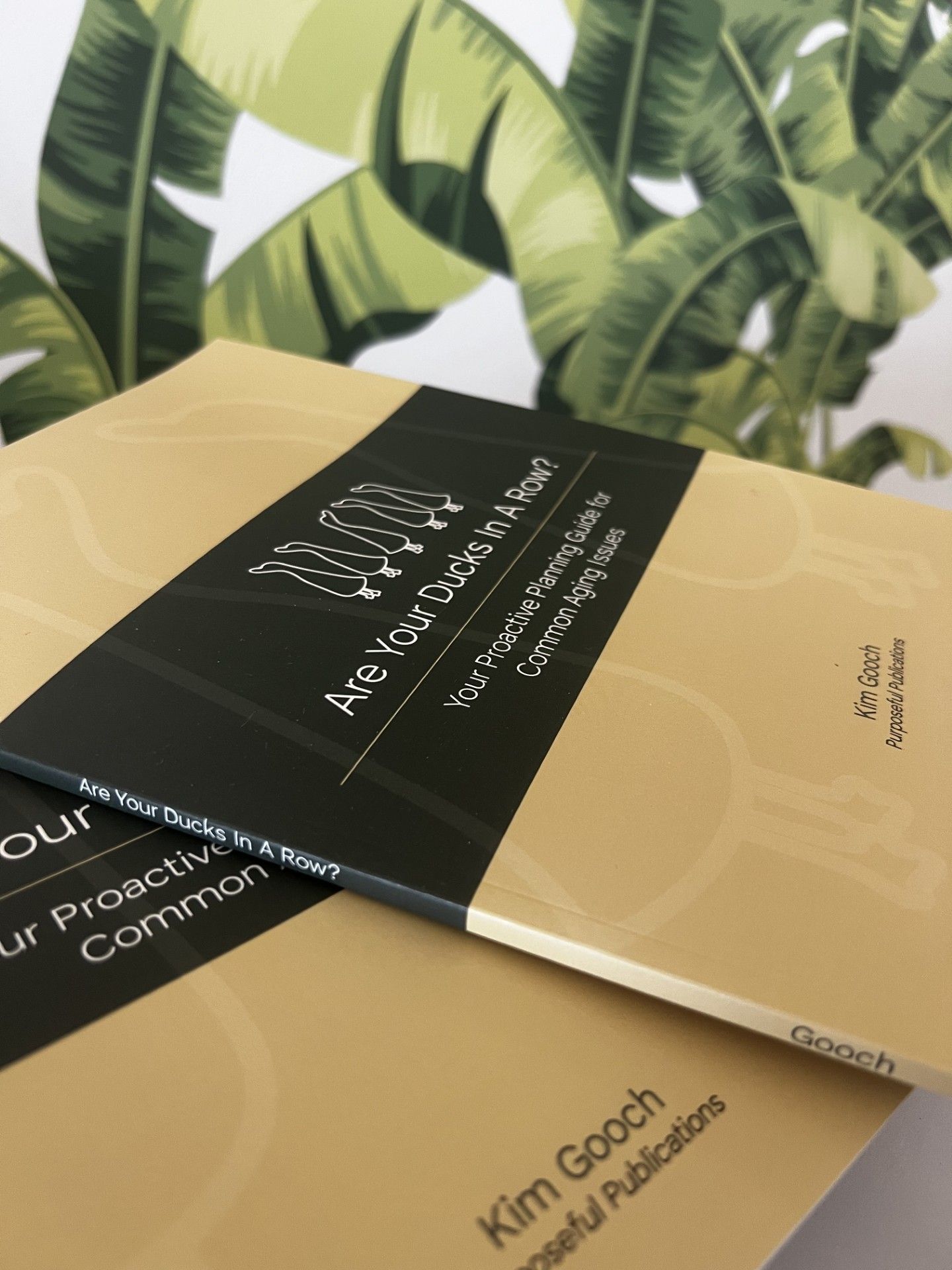
This article resonated deeply with my purpose in writing "Are Your Ducks in a Row?".
When Home for the Holidays Means Facing Hard Truths with Aging Parents
November 26, 2024
•
Liz ODonnell
For many adult children, the holidays can be your best opportunity for checking in on your aging parents, observing how they are doing and addressing anything you may be concerned about.
Here’s some advice on how to broach touchy topics like moving to assisted living, giving up a driver’s license, or getting in-home assistance during your holiday visit.
Remember, it’s a process. The “conversation” is actually a series of conversations. Don’t expect to fly in for Thanksgiving, suggest Mom or Dad or your Great Aunt Sally can no longer live independently, and get them to say, “You’re so right. Let’s make a move.” Important issues are rarely resolved through one conversation.
Listen before you talk. Do not start a conversation about potential life changes by sharing what you have observed or think. Instead start by asking your parents open-ended questions about how they are doing or what concerns they may have. In order to start a true dialogue, you need to really listen. Otherwise, you’ll have the same one-sided conversation over and over. What are your relative’s concerns? What are they open to? These decisions are ultimately about their life, not just yours. So what are you hearing and how can you address it?
Be specific about your concerns. While it’s essential to listen first, when you do speak, be specific. Instead of saying, “I’m worried about you driving,” share an example: “I noticed you had trouble seeing the road signs when we were out the other day.” This helps ground the discussion in observable realities rather than abstract fears.
Be Prepared for Resistance. Expect some pushback and don’t take it personally. Your parent might feel like their independence is being challenged, which can be a sensitive topic. Stay calm, and if the conversation becomes heated, give it time and revisit it later.
Go for small wins. Maybe your relative gives you a flat out “No” about not driving but will they agree not to drive at night? Maybe they won’t agree to leave their home, but are they open to meeting a home health aide? Will they at least tour an assisted living facility? You may feel pressed for time, but these changes are a process and they take time.
Get the facts. The more data you have, the better you’ll be able to address any fears and concerns that arise from your parents. Gather information before the discussion. What does assisted living actually cost? Is The Ride or Meals on Wheels available in their neighborhood? Have the facts but present them as options.
Value autonomy as well as safety. You can raise concerns about safety and you can share why what you are suggesting will ease your burden, but remember you are dealing with an adult and ultimately the decisions are theirs. Autonomy is as valid a concern as safety.
Timing Is key. Choose the right moment to have these conversations. The holidays are already emotionally charged, so avoid bringing up sensitive topics during high-stress moments, like right before a big meal or in the middle of family gatherings. Instead, carve out quiet, one-on-one time to talk.
Enlist allies. But don’t gang up on them! Sometimes, other family members or trusted friends can help. If there’s a sibling, cousin, or close family friend your parent trusts, consider including them in the discussion. Having someone else echo your concerns can make a big difference in how your suggestions are received.
Frame your relationship as a partnership. Position the conversation as a collaborative effort. Instead of “You need to move to assisted living,” try, “How can we make things easier for you? I want to help, and there are some options we can explore together.”
Acknowledge emotions. Change can bring up fear, sadness, or even anger – not just for your aging parents, but for you too. Acknowledge emotions without dismissing them. Say things like, “I can understand why this feels overwhelming” or, “I know it’s hard to think about changes.” Empathy can help them feel heard and reduce defensiveness.
Follow Up After the Holidays. You may not resolve all you wanted to during your visit and you may go back to your home feeling like you haven’t made enough progress but know that you are ahead of the game. Every conversation you have will help your family member get more comfortable addressing how they will manage this stage of their life.
Don’t let the momentum fade once you leave. Plan to check in soon after the holidays to keep the conversation going.
Remember, caring for, and about, a parent requires equal parts courage and compassion. Approach the holidays with a clear head and heart and you can’t go wrong.